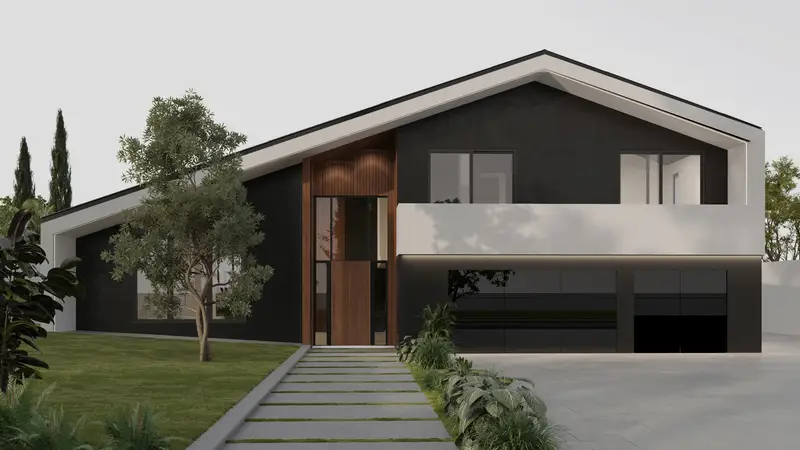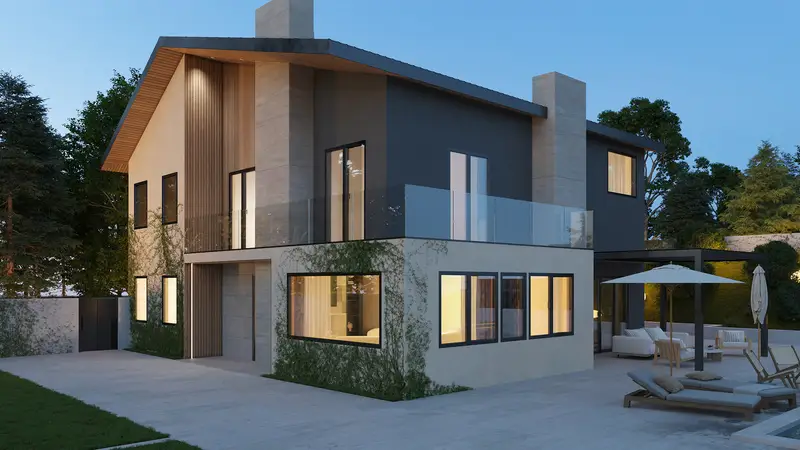
Much of the San Fernando Valley was built between the 1940s and the 1970s. The houses are well placed and often well built, but their plumbing, wiring and layouts are from another time. A whole-home renovation is the chance to fix all of that at once, in the right order.
What older Valley houses often hide
None of these is unusual and all can be dealt with. They should be looked for before the budget is fixed, with inspections and a few test openings, not found in the middle of construction.
- Old galvanized or cast-iron pipes
- Electrical panels and wiring too small for today's loads
- Little or no insulation
- Asbestos in older ceilings, flooring or ducts, and lead paint in homes built before 1978
- Additions built without permits
Which city reviews your project
Studio City, Sherman Oaks, Encino, Tarzana, Porter Ranch, Granada Hills and most of Toluca Lake are part of the City of Los Angeles, so permits go through its Department of Building and Safety. Burbank, Glendale, Calabasas and Hidden Hills are separate cities with their own departments. Homes in the hills south of Ventura Boulevard can fall under hillside rules that limit size, grading and height, and gated communities add an association review.
The order of work
A renovation goes well when decisions are made in the same order as construction.
- Survey of the house and a clear list of goals
- Layout: walls, openings, kitchen and bathroom positions
- Structure and systems: plumbing, electrical, heating and cooling
- Kitchen, bathrooms and built-in cabinetry
- Finishes, lighting and furniture
How long it takes
For a full renovation, plan roughly two to four months for design and drawings, one to four months for permits depending on the city and the scope, and four to eight months for construction. Structural changes, additions and hillside sites sit at the longer end.
Staying or moving out
When the kitchen, all bathrooms and the systems are replaced, living in the house is rarely practical. Moving out for the main phase is usually faster and safer, and it often costs less overall because the work is not broken into stages.
Where the value is
The changes owners notice most are not always the most visible ones: a layout that connects the kitchen to the garden, more daylight, proper storage, quiet and efficient heating and cooling. Finishes can be changed later. Layout and systems are the part to get right the first time.
Sources
By Albert Galstyan · November 11, 2026